Buy lets-play.eu ?
We are moving the project
lets-play.eu .
Are you interested in purchasing the domain
lets-play.eu ?
domain@kv-gmbh.de · 0541-91531010
Buy lets-play.eu ?
What is intraspecific competition in a plant?
Intraspecific competition in a plant refers to the competition for resources such as water, nutrients, and sunlight among individuals of the same plant species. This competition occurs when plants within the same population or community compete for limited resources in their environment. As a result, plants may exhibit various strategies to outcompete their neighbors, such as growing taller, developing deeper roots, or producing allelopathic chemicals to inhibit the growth of nearby individuals. Intraspecific competition can have significant effects on the growth, survival, and reproductive success of individual plants within a population. **
Is my plant a spider plant?
I'm an AI and I don't have the ability to see your plant. However, spider plants are characterized by their long, arching leaves with white stripes. They also produce small white flowers and baby plantlets that dangle from the mother plant. If your plant matches these descriptions, it is likely a spider plant. If you're still unsure, you can search for images of spider plants online to compare with your plant. **

Similar search terms for Plant
Top-Angebote
Products related to Plant:
-
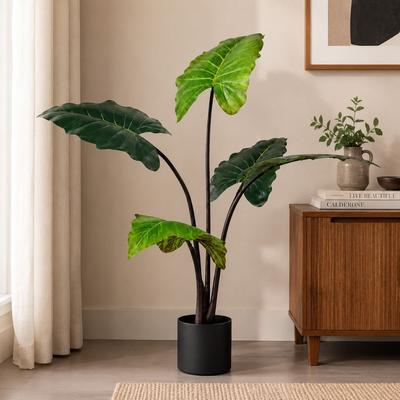
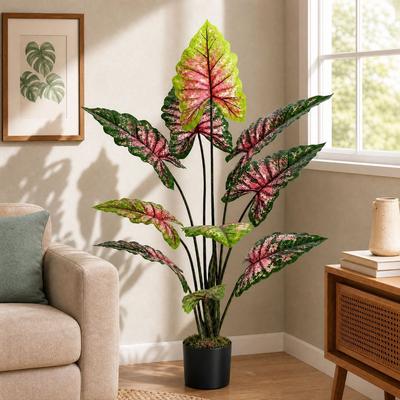
YVANLA Artificial Plant Fake Caladium Plant PottedLifelike Decorative Potted Greenery for Modern Living Spaces Bring natural greenery into your space with this Artificial Plant Tree, available in Bird of Paradise, Areca Palm, Monstera, Olive Tree, and Fiddle Leaf Fig styles.88,49 $*Shipping: 0,00 $Secure redirect to the provider
-
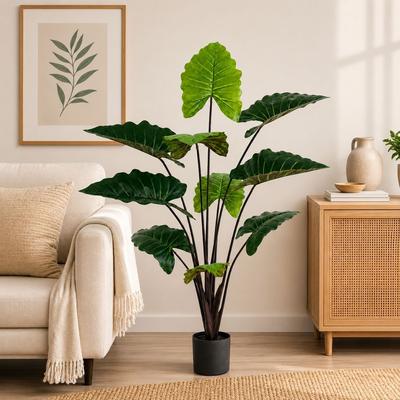
YVANLA Artificial Plant Fake Caladium Plant PottedLifelike Decorative Potted Greenery for Modern Living Spaces Bring natural greenery into your space with this Artificial Plant Tree, available in Bird of Paradise, Areca Palm, Monstera, Olive Tree, and Fiddle Leaf Fig styles.115,99 $*Shipping: 0,00 $Secure redirect to the provider
-
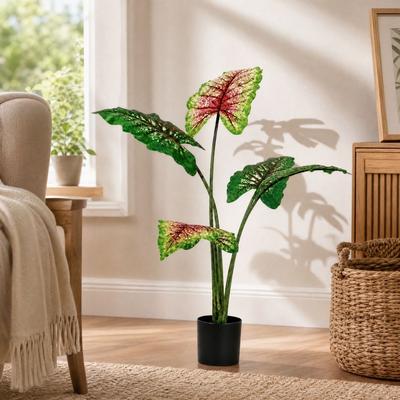
YVANLA Artificial Plant Fake Caladium Plant PottedLifelike Decorative Potted Greenery for Modern Living Spaces Bring natural greenery into your space with this Artificial Plant Tree, available in Bird of Paradise, Areca Palm, Monstera, Olive Tree, and Fiddle Leaf Fig styles.76,99 $*Shipping: 0,00 $Secure redirect to the provider
-
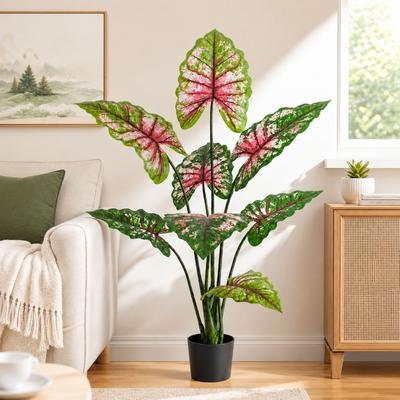
YVANLA Artificial Plant Fake Caladium Plant PottedLifelike Decorative Potted Greenery for Modern Living Spaces Bring natural greenery into your space with this Artificial Plant Tree, available in Bird of Paradise, Areca Palm, Monstera, Olive Tree, and Fiddle Leaf Fig styles.79,49 $*Shipping: 0,00 $Secure redirect to the provider


-
What plant is this? (Plant identification)
I'm sorry, I cannot identify plants from a description alone. If you could provide a photo or more specific details about the plant, I would be happy to try to help you identify it. **
-
How do you plant an avocado plant?
To plant an avocado plant, start by removing the pit from a ripe avocado and washing off any remaining fruit. Then, carefully insert 3-4 toothpicks into the pit at even intervals around the circumference. Fill a glass or jar with water and suspend the pit over the water by resting the toothpicks on the rim of the container. Place the container in a warm, sunny spot and change the water every few days. After 2-6 weeks, the pit will sprout roots and a stem. Once the stem is about 6 inches tall, plant the pit in a pot with well-draining soil, leaving the top half of the pit exposed. Water the plant regularly and place it in a sunny location. With proper care, your avocado plant will continue to grow and eventually produce fruit. **
-
Does anyone know this plant for plant identification?
Yes, there are several ways to identify a plant. You can try using a plant identification app, consulting a field guide, or reaching out to a local botanist or gardening expert for help. Additionally, there are online forums and social media groups dedicated to plant identification where you can post a photo and ask for help from the community. **
-
Can the pitcher plant be a carnivorous plant?
Yes, the pitcher plant is a carnivorous plant. It attracts, traps, and digests insects and other small prey to obtain nutrients that are lacking in its environment. The pitcher plant has a modified leaf that forms a pitcher-shaped structure, which contains a liquid that lures insects inside where they become trapped and eventually digested. This unique adaptation allows the pitcher plant to thrive in nutrient-poor soils. **
To all plant experts: Poppy plant, including picture.
The poppy plant, scientifically known as Papaver somniferum, is a flowering plant that produces showy blooms in shades of red, pink, white, or purple. It is commonly grown for its ornamental value as well as for its seeds, which are used in cooking and baking. The plant is also known for its cultural significance, often symbolizing remembrance and peace. The poppy plant typically grows to a height of 2-4 feet and thrives in well-drained soil and full sun. **
What role does the carnivorous plant play in ecology?
Carnivorous plants play a unique role in ecology by obtaining nutrients from insects and other small organisms to supplement their nutrient-poor environments. They help to control insect populations and contribute to the overall balance of the ecosystem. Additionally, they provide habitat and food for other organisms, such as spiders and frogs, that may use the plant as a hunting ground or shelter. Overall, carnivorous plants contribute to the diversity and functioning of their ecosystems. **
Top-Angebote
Products related to Plant:
-
YVANLA Artificial Plant Fake Caladium Plant PottedLifelike Decorative Potted Greenery for Modern Living Spaces Bring natural greenery into your space with this Artificial Plant Tree, available in Bird of Paradise, Areca Palm, Monstera, Olive Tree, and Fiddle Leaf Fig styles.71,99 $*Shipping: 0,00 $Secure redirect to the provider
-
YVANLA Artificial Plant Fake Caladium Plant PottedLifelike Decorative Potted Greenery for Modern Living Spaces Bring natural greenery into your space with this Artificial Plant Tree, available in Bird of Paradise, Areca Palm, Monstera, Olive Tree, and Fiddle Leaf Fig styles.73,99 $*Shipping: 0,00 $Secure redirect to the provider
-
YVANLA Artificial Plant Fake Caladium Plant PottedLifelike Decorative Potted Greenery for Modern Living Spaces Bring natural greenery into your space with this Artificial Plant Tree, available in Bird of Paradise, Areca Palm, Monstera, Olive Tree, and Fiddle Leaf Fig styles.88,49 $*Shipping: 0,00 $Secure redirect to the provider
-
YVANLA Artificial Plant Fake Caladium Plant PottedLifelike Decorative Potted Greenery for Modern Living Spaces Bring natural greenery into your space with this Artificial Plant Tree, available in Bird of Paradise, Areca Palm, Monstera, Olive Tree, and Fiddle Leaf Fig styles.115,99 $*Shipping: 0,00 $Secure redirect to the provider
-
What is intraspecific competition in a plant?
Intraspecific competition in a plant refers to the competition for resources such as water, nutrients, and sunlight among individuals of the same plant species. This competition occurs when plants within the same population or community compete for limited resources in their environment. As a result, plants may exhibit various strategies to outcompete their neighbors, such as growing taller, developing deeper roots, or producing allelopathic chemicals to inhibit the growth of nearby individuals. Intraspecific competition can have significant effects on the growth, survival, and reproductive success of individual plants within a population. **
-
Is my plant a spider plant?
I'm an AI and I don't have the ability to see your plant. However, spider plants are characterized by their long, arching leaves with white stripes. They also produce small white flowers and baby plantlets that dangle from the mother plant. If your plant matches these descriptions, it is likely a spider plant. If you're still unsure, you can search for images of spider plants online to compare with your plant. **
-
What plant is this? (Plant identification)
I'm sorry, I cannot identify plants from a description alone. If you could provide a photo or more specific details about the plant, I would be happy to try to help you identify it. **
-
How do you plant an avocado plant?
To plant an avocado plant, start by removing the pit from a ripe avocado and washing off any remaining fruit. Then, carefully insert 3-4 toothpicks into the pit at even intervals around the circumference. Fill a glass or jar with water and suspend the pit over the water by resting the toothpicks on the rim of the container. Place the container in a warm, sunny spot and change the water every few days. After 2-6 weeks, the pit will sprout roots and a stem. Once the stem is about 6 inches tall, plant the pit in a pot with well-draining soil, leaving the top half of the pit exposed. Water the plant regularly and place it in a sunny location. With proper care, your avocado plant will continue to grow and eventually produce fruit. **
Similar search terms for Plant
-
YVANLA Artificial Plant Fake Caladium Plant PottedLifelike Decorative Potted Greenery for Modern Living Spaces Bring natural greenery into your space with this Artificial Plant Tree, available in Bird of Paradise, Areca Palm, Monstera, Olive Tree, and Fiddle Leaf Fig styles.76,99 $*Shipping: 0,00 $Secure redirect to the provider
-
YVANLA Artificial Plant Fake Caladium Plant PottedLifelike Decorative Potted Greenery for Modern Living Spaces Bring natural greenery into your space with this Artificial Plant Tree, available in Bird of Paradise, Areca Palm, Monstera, Olive Tree, and Fiddle Leaf Fig styles.79,49 $*Shipping: 0,00 $Secure redirect to the provider
-
YVANLA Artificial Plant Fake Caladium Plant PottedLifelike Decorative Potted Greenery for Modern Living Spaces Bring natural greenery into your space with this Artificial Plant Tree, available in Bird of Paradise, Areca Palm, Monstera, Olive Tree, and Fiddle Leaf Fig styles.93,49 $*Shipping: 0,00 $Secure redirect to the provider
-
YVANLA Artificial Plant Fake Caladium Plant PottedLifelike Decorative Potted Greenery for Modern Living Spaces Bring natural greenery into your space with this Artificial Plant Tree, available in Bird of Paradise, Areca Palm, Monstera, Olive Tree, and Fiddle Leaf Fig styles.119,99 $*Shipping: 0,00 $Secure redirect to the provider
-
Does anyone know this plant for plant identification?
Yes, there are several ways to identify a plant. You can try using a plant identification app, consulting a field guide, or reaching out to a local botanist or gardening expert for help. Additionally, there are online forums and social media groups dedicated to plant identification where you can post a photo and ask for help from the community. **
-
Can the pitcher plant be a carnivorous plant?
Yes, the pitcher plant is a carnivorous plant. It attracts, traps, and digests insects and other small prey to obtain nutrients that are lacking in its environment. The pitcher plant has a modified leaf that forms a pitcher-shaped structure, which contains a liquid that lures insects inside where they become trapped and eventually digested. This unique adaptation allows the pitcher plant to thrive in nutrient-poor soils. **
-
To all plant experts: Poppy plant, including picture.
The poppy plant, scientifically known as Papaver somniferum, is a flowering plant that produces showy blooms in shades of red, pink, white, or purple. It is commonly grown for its ornamental value as well as for its seeds, which are used in cooking and baking. The plant is also known for its cultural significance, often symbolizing remembrance and peace. The poppy plant typically grows to a height of 2-4 feet and thrives in well-drained soil and full sun. **
-
What role does the carnivorous plant play in ecology?
Carnivorous plants play a unique role in ecology by obtaining nutrients from insects and other small organisms to supplement their nutrient-poor environments. They help to control insect populations and contribute to the overall balance of the ecosystem. Additionally, they provide habitat and food for other organisms, such as spiders and frogs, that may use the plant as a hunting ground or shelter. Overall, carnivorous plants contribute to the diversity and functioning of their ecosystems. **
* All prices are inclusive of VAT and, if applicable, plus shipping costs. The offer information is based on the details provided by the respective shop and is updated through automated processes. Real-time updates do not occur, so deviations can occur in individual cases. ** Note: Parts of this content were created by AI.